
What is high blood pressure (Hypertension)?
Blood pressure is the force created in the arteries as the heart pumps blood. Under normal conditions, this pressure depends on both the amount of blood pumped by the heart and the resistance of the arteries to blood flow. When blood pressure remains above normal levels, it is called high blood pressure or hypertension.
The pressure measured when the heart contracts is called systolic blood pressure, and the pressure measured when the heart relaxes is called diastolic blood pressure. In general, a systolic value of 140 mmHg or higher and/or a diastolic value of 90 mmHg or higher is defined as hypertension. Ideal values are below 130 mmHg for systolic and below 80 mmHg for diastolic pressure. In individuals whose usual blood pressure is naturally low, even these values may be considered high.
How is hypertension diagnosed?
Hypertension can be diagnosed through regular measurements taken under appropriate conditions. Before measurement, the patient should rest for at least 10 minutes and should not be extremely hungry or overly full. In clinical settings, some patients may have higher readings than usual. In such cases, 24-hour ambulatory blood pressure monitoring (Holter) may be performed. This method provides more reliable information about daily blood pressure levels.
What are the causes of hypertension?
In more than 95% of patients with high blood pressure, there is no identifiable underlying disease. This condition is called essential (primary) hypertension. In less than 5% of cases, high blood pressure develops due to an underlying condition, known as secondary hypertension.
Possible causes and contributing factors include:
- Family history of hypertension
- Kidney diseases
- Impaired kidney function
- Narrowing of the renal arteries
- Endocrine (hormonal) disorders
- Thyroid disorders
- Adrenal gland disorders
- Hormone-secreting tumors
- Congenital narrowing of major arteries
- Aortic coarctation
- Sleep apnea
- Obesity
Factors that may worsen existing hypertension include:
- Excessive salt intake
- Smoking
- Weight gain
- Stress
- Fatigue
- Lack of sleep
- Sedentary lifestyle
- Excessive alcohol consumption
- Prolonged fasting or overeating
How is hypertension treated?
Treatment includes lifestyle modification and medication.
Lifestyle changes are essential for all patients, whether medication is prescribed or not. In some cases, blood pressure can be controlled with lifestyle changes alone. In others, medication is required in addition to lifestyle measures.
What are the recommended lifestyle changes?
Key lifestyle changes for preventing or managing hypertension include:
- Healthy nutrition and reducing salt intake
- Regular physical activity
- Weight control through diet and exercise
- Quitting smoking
- Limiting or avoiding alcohol
- Effective stress management
- Adequate sleep and rest
Medication therapy should be individualized. Age, gender, accompanying medical conditions, additional symptoms, and the severity of hypertension must be considered when selecting treatment.
When should an underlying cause be investigated?
- Hypertension starting at a young age (under 30)
- Sudden onset and rapidly progressing hypertension
- Resistant hypertension not controlled despite at least three medications and lifestyle changes
- High blood pressure occurring mainly at night or early morning
Are there advanced treatment options for resistant hypertension?
If blood pressure cannot be controlled despite proper treatment, resistant hypertension is considered.
- Medication adherence and secondary causes should be reassessed
- Drug combinations and dosages should be optimized
If control is still not achieved, advanced treatment options such as renal denervation or baroreceptor stimulation may be considered.
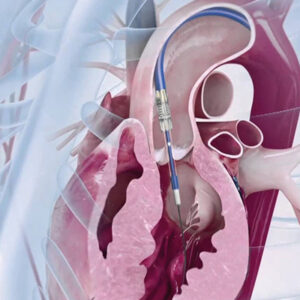
- Renal denervation (RDN): A minimally invasive procedure that reduces sympathetic nerve activity in the renal arteries through ablation
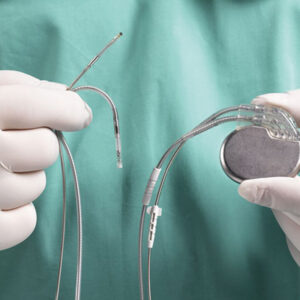
- Baroreceptor stimulation: Continuous stimulation of carotid sinus baroreceptors using an implanted device
What complications can occur if hypertension is untreated?
Hypertension most commonly affects the heart, brain, kidneys, eyes, and major arteries. In fact, it can damage all organs supplied by blood vessels. Proper blood pressure control helps prevent these complications.
Common complications of hypertension include:
- Thickening of the heart muscle, heart failure, valve disease, coronary artery disease, heart attack
- Brain hemorrhage, stroke, vascular dementia
- Kidney dysfunction and kidney failure
- Vision problems
- Aneurysm or dissection of major arteries
- Narrowing or blockage in neck, arm, or leg arteries
Why Patients Consider Hypertension Treatment In Turkey?
Patients consider hypertension treatment in Turkey for several reasons, including access to comprehensive diagnostic testing and multidisciplinary care. High blood pressure can be straightforward to treat, but it can also be resistant, meaning it remains elevated despite multiple medications. In resistant cases, the underlying cause may include kidney disease, hormonal conditions, medication interactions, sleep apnea, or lifestyle triggers that are easy to overlook without a structured work-up.
In Turkey, many centers can organize consultations, lab testing, imaging, and ambulatory monitoring within a short timeline. International patient units may support scheduling, translation, and record management. The most valuable outcome of traveling is not simply starting medication, but leaving with a clear diagnosis, a medication plan you can follow, and a monitoring routine that your local doctor can continue.
Common Causes Of High Blood Pressure
Most people have primary hypertension, which develops over time due to a mix of genetics, age, diet, stress, and metabolic factors. Primary hypertension does not have a single reversible cause, but it responds well to lifestyle improvements and medication. Secondary hypertension is less common but important to identify because it can be driven by a specific condition such as kidney artery narrowing, kidney disease, thyroid or adrenal disorders, or certain medications.
Common contributors include high salt intake, excess weight, insulin resistance, alcohol overuse, smoking, chronic stress, poor sleep, and low physical activity. Over-the-counter drugs such as NSAIDs, decongestants, and some supplements can also raise blood pressure in certain individuals. A careful evaluation looks at the whole picture, not just the readings.
Symptoms And Warning Signs You Should Not Ignore
Hypertension often causes no symptoms, but some people notice headaches, nosebleeds, dizziness, or blurred vision when blood pressure is very high. These symptoms are not reliable indicators of blood pressure control, which is why measurement is essential. In severe cases, hypertensive emergencies can cause chest pain, shortness of breath, confusion, weakness, vision changes, or severe headache. These situations require urgent medical evaluation.
If you have blood pressure readings that remain very high, especially with symptoms, do not wait for travel plans. Seek immediate care. Stable management and safety come first, and a travel-based plan is best used for structured evaluation and optimization when the situation is not emergent.
How Hypertension Is Diagnosed Correctly?
Accurate diagnosis starts with correct measurement technique. Blood pressure should be measured after a few minutes of rest, using the right cuff size, with the arm supported at heart level. Single readings in a stressful setting can be misleading. Many clinicians confirm hypertension using repeated clinic readings, home blood pressure logs, or ambulatory blood pressure monitoring.
Ambulatory monitoring is especially useful because it measures blood pressure over 24 hours, including sleep. It helps detect white coat hypertension, where clinic readings are high but home readings are normal, and masked hypertension, where clinic readings look normal but daily life readings are elevated. In Turkey, many centers can perform ambulatory monitoring and interpret the results as part of a comprehensive plan.
Initial Evaluation And Tests Often Done In Turkey
Hypertension evaluation typically includes blood tests for kidney function, electrolytes, blood sugar, lipid profile, and sometimes thyroid function. A urine test helps check for protein or signs of kidney damage. An ECG is often performed to look for signs of heart strain. An echocardiogram may be recommended if there is concern for left ventricular hypertrophy or other heart conditions.
When secondary causes are suspected, additional testing may be ordered. This can include hormone testing for aldosterone and renin balance, cortisol assessment in selected cases, imaging of kidney arteries, or evaluation for sleep apnea. The goal is to identify whether your hypertension is primary or secondary and to tailor treatment accordingly.


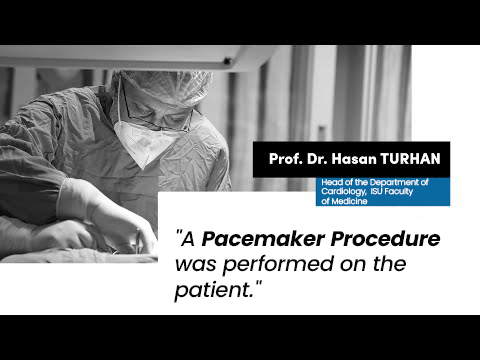
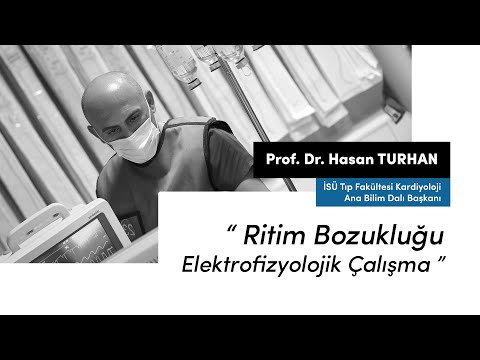


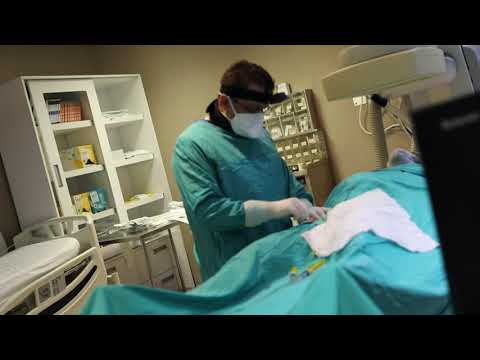
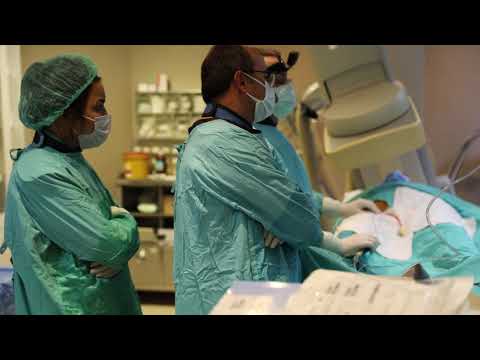
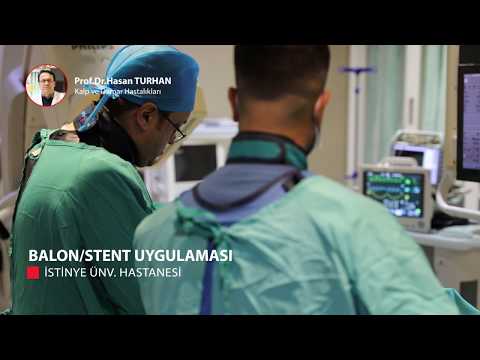










I would like to express my sincere thanks and appreciation to Prof. Dr. Hasan Turhan and the entire medical team who performed my EPS ablation procedure. 🙏🏻
Prof. Dr. Hasan Turhan is one of the leading physicians in his field. He had been closely following my mother’s condition for a long time. When surgery became necessary for her full recovery, the procedure was performed successfully.After the operation, my mother experienced pain, and he stayed by her side from midnight until 4:00 a.m. without leaving even for a moment. I told him personally that even a close relative could not have shown more care.We are deeply grateful for his patience, precision, and the way he explains everything clearly and simply. He answered all our questions in a direct and understandable manner.Our sincere thanks to Prof. Dr. Hasan Turhan, and especially to Ms. Hamide, Ms. Fatma, and all the doctors, nurses, and healthcare staff in the service.
We visited Prof. Dr. Hasan Turhan due to my spouse’s heart rhythm disorder. Although other hospitals recommended ablation, we were afraid and postponed the procedure. We spent weeks in different emergency departments across Istanbul.Meeting Prof. Dr. Hasan Turhan was truly a turning point for us. He is highly experienced, confident, and reassuring in his field. At first, we hesitated again and preferred to try medication. However, we eventually underwent the ablation procedure.After the treatment, we realized we should have done it much earlier. The procedure was very successful, and we returned to our normal life. If you have any heart-related concerns, Prof. Dr. Hasan Turhan is truly an expert in his field.Thank you for everything.
Prof. Dr. Hasan Turhan is a rare physician distinguished by his medical expertise, professional discipline, and strong human values.When I consulted him for my heart rhythm disorder, the knowledge, skill, and mastery he demonstrated during my treatment were truly beyond words.I am sincerely grateful to my esteemed colleague, thanks to whom I have regained my health. Wishing him continued success and good health.Dr. Numan Bakırcı