
What is a heart rhythm disorder (arrhythmia)?
A heart rhythm disorder, also called arrhythmia, refers to any abnormal heart rhythm outside the normal regular heartbeat. It may present as a fast heartbeat (tachycardia), a slow heartbeat (bradycardia), or an irregular rhythm.
What causes arrhythmia?
Arrhythmias usually result from problems in the heart’s electrical system. These issues may affect the formation or transmission of electrical impulses. Some are congenital, related to abnormalities in the heart’s electrical structure. Others may develop later due to heart disease, hormonal imbalance, electrolyte disturbances, or systemic conditions.
Heart diseases such as coronary artery disease, heart failure, cardiomyopathy, and valve disorders may predispose to arrhythmia. High blood pressure, diabetes, thyroid disorders, lung disease, sleep apnea, stress, fatigue, smoking, alcohol, and excessive caffeine intake may also trigger rhythm problems.
What are the symptoms of arrhythmia?
The most common symptom is palpitations, described as fast, strong, or irregular heartbeats. Dizziness, fainting, shortness of breath, chest pain, and sweating may also occur.
How is arrhythmia diagnosed?
Electrocardiography (ECG)
ECG records the electrical activity of the heart from the body surface. It captures a short time period, usually about 10 seconds. Brief arrhythmias may not always be detected.
Holter ECG
Holter monitoring records heart rhythm continuously for 24 to 72 hours. It is useful for detecting intermittent rhythm disturbances. If symptoms are rare, longer monitoring may be required.
Event Recorder
This device records heart rhythm over weeks or months. It is activated by the patient when symptoms occur and is helpful for infrequent episodes.
Exercise Stress Test
An exercise ECG may provide useful information in patients whose symptoms occur during exertion.
Echocardiography
This ultrasound examination evaluates structural heart disease that may contribute to arrhythmia.
Electrophysiological Study (EPS)
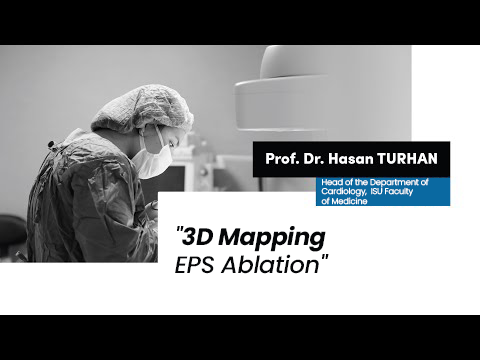
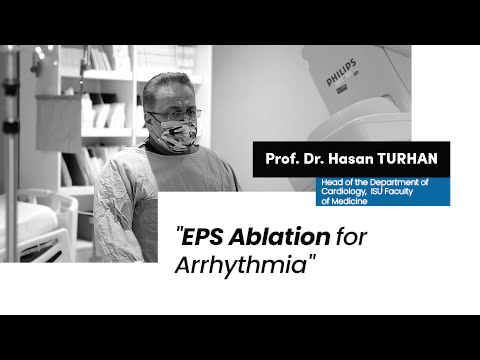
EPS is an invasive diagnostic procedure that examines the heart’s electrical system in detail. It is especially useful when arrhythmias cannot be captured by standard tests.
What is ablation?
Ablation is a treatment that permanently eliminates the area responsible for the arrhythmia. It is performed after identifying the source during EPS. The problematic tissue is destroyed using heat (radiofrequency ablation) or cold (cryoablation).
Ablation or medication?
Medication may reduce symptoms but does not provide a permanent cure. Ablation offers a definitive solution in many rhythm disorders, with success rates above 90% in most cases.
Is every palpitation an arrhythmia?
Not every palpitation indicates arrhythmia. Palpitations may occur with normal rhythm due to stress or anxiety.
Is arrhythmia life-threatening?
Most arrhythmias are not life-threatening. However, certain ventricular arrhythmias may carry serious risk and require prompt evaluation.
Can arrhythmia be treated permanently?
While medication controls symptoms, ablation is considered the definitive treatment for many rhythm disorders by eliminating the source permanently.
What Arrhythmia Means And Why It Happens?
The heart has an electrical system that coordinates each beat. When this system misfires, the heartbeat may become too fast, too slow, or irregular. Some arrhythmias occur because of extra electrical pathways, scar tissue from prior heart damage, inflammation, or age-related changes in the conduction system. Others can be triggered by electrolyte imbalance, thyroid problems, sleep apnea, dehydration, excess alcohol, stimulant use, or certain medications.
Arrhythmia is not one diagnosis. Atrial fibrillation is common and linked to stroke risk. Supraventricular tachycardia often causes sudden rapid heartbeats but is usually treatable. Ventricular arrhythmias can be more serious, particularly in people with weakened heart muscle. Bradycardia and heart block can cause dangerous pauses or slow rates that may require pacing support. Understanding the exact rhythm problem is the foundation of safe treatment.
Why Patients Consider Arrhythmia Treatment In Turkey?
Many patients consider arrhythmia treatment in Turkey because electrophysiology services can combine speed and breadth. In suitable centers, rhythm evaluation, imaging, and procedure planning can be organized efficiently, which helps people traveling from abroad with limited time windows. Hospitals often have catheter labs equipped for complex ablation and device implantation, as well as cardiac intensive care and anesthesia support for higher-risk patients.
International patient services can simplify logistics through translation, scheduling, and medical record coordination. Still, the most important factor is clinical quality. A trustworthy team will confirm the diagnosis with appropriate monitoring, explain treatment options and risks, and avoid rushing into procedures when conservative management is appropriate.
Common Symptoms Of Heart Rhythm Disorders
Arrhythmia symptoms vary widely. Some people feel palpitations that seem like fluttering, pounding, skipped beats, or a racing heartbeat. Others experience shortness of breath, chest discomfort, fatigue, dizziness, or reduced exercise tolerance. Fainting or near-fainting can occur when the rhythm is too slow, too fast, or unstable, and these symptoms require urgent evaluation.
Some arrhythmias are silent. Atrial fibrillation, for example, can occur without noticeable palpitations yet still increase the risk of stroke. That is why detection often depends on ECG findings, monitoring devices, and careful assessment of risk factors. If you have sudden chest pain, severe shortness of breath, or repeated fainting, emergency evaluation is critical regardless of travel plans.
Most Common Arrhythmia Types Treated In Turkey
Many Turkish electrophysiology centers routinely treat atrial fibrillation, atrial flutter, supraventricular tachycardia, premature atrial and ventricular beats, and various forms of bradycardia and heart block. Atrial fibrillation is often evaluated for stroke risk and symptom burden, with treatment plans that may include medication, cardioversion, ablation, and anticoagulation strategies.
Supraventricular tachycardia often presents as sudden episodes of rapid heartbeat that start and stop abruptly. Catheter ablation can be a highly effective long-term solution for many SVT subtypes. Ventricular arrhythmias are assessed with particular caution, especially in patients with cardiomyopathy or previous heart attack. In those cases, treatment may involve medication, ablation, or implantable cardioverter defibrillator therapy depending on risk level.
How Arrhythmia Is Diagnosed In Turkey?
Arrhythmia diagnosis begins with a detailed history and physical exam. Clinicians ask when symptoms happen, how long they last, what triggers them, and whether there is associated chest pain, fainting, or neurological symptoms. A resting ECG may show abnormalities immediately, but many arrhythmias are intermittent and require longer monitoring.
Common tests include Holter monitoring for 24 to 48 hours, event monitors for longer periods, and in some cases implantable loop recorders for hard-to-catch episodes. Blood tests may evaluate electrolytes, thyroid function, anemia, and inflammation. Echocardiography assesses heart structure and function, which influences both arrhythmia risk and treatment selection. For selected patients, cardiac MRI or CT may be used to evaluate scar patterns or anatomy relevant to ablation planning.
Medication Options For Rhythm And Rate Control
Medication remains an important tool in arrhythmia management. In atrial fibrillation, treatment often includes either rhythm control, which aims to restore and maintain normal rhythm, or rate control, which allows atrial fibrillation to continue while keeping the heart rate in a safe range. Beta blockers, calcium channel blockers, and certain antiarrhythmic agents may be used depending on the patient’s heart function and comorbidities.
Stroke prevention is also central in atrial fibrillation management. Anticoagulation decisions depend on a patient’s stroke risk profile and bleeding risk, and the plan should be individualized. Patients traveling for care should ensure they leave with a clear medication plan, monitoring guidance, and coordination steps for follow-up with a local cardiologist.
Catheter Ablation In Turkey
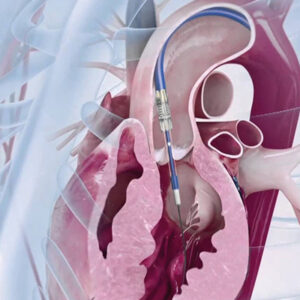
Catheter ablation treats arrhythmia by targeting the tissue that triggers or sustains abnormal rhythms. Thin catheters are guided through blood vessels into the heart, and energy is delivered to create small lesions that block problematic signals. Many SVT cases have high success rates with ablation, often providing a durable solution and reducing reliance on long-term medication.
In atrial fibrillation, ablation strategies commonly focus on isolating the pulmonary veins, where triggers often originate. Success depends on the type of atrial fibrillation, duration of disease, atrial size, scarring, and coexisting conditions like obesity or sleep apnea. Ablation can reduce symptoms and arrhythmia burden for many patients, but some may need repeat procedures or continued medication. A detailed pre-procedure evaluation helps set realistic expectations.
ICD And CRT Devices For Higher Risk Patients
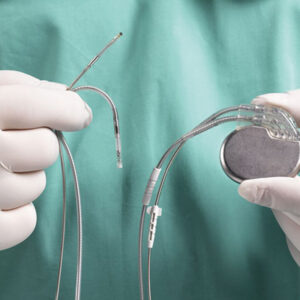
For patients at risk of life-threatening ventricular arrhythmias, an implantable cardioverter defibrillator can provide protection by delivering therapy when dangerous rhythms occur. ICD decisions are typically based on heart function, prior ventricular arrhythmias, cardiomyopathy type, and clinical guidelines. Some patients with heart failure and electrical dyssynchrony may benefit from cardiac resynchronization therapy, which coordinates heart contractions and can improve symptoms and heart function.
These devices require careful evaluation and long-term monitoring. A high-quality center will explain the reasoning behind device selection, expected benefits, limitations, and follow-up schedules, including


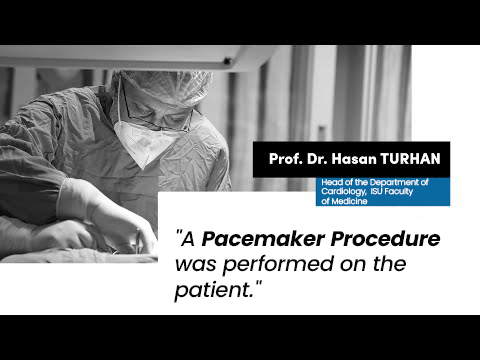
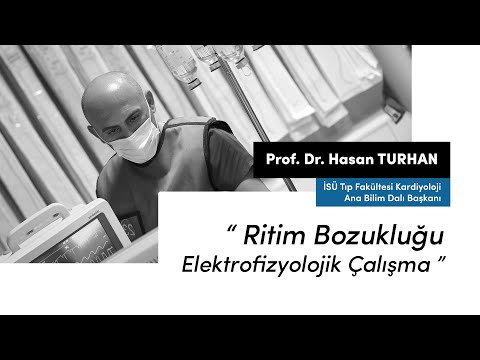

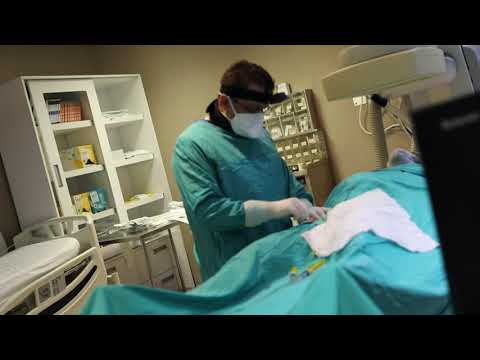
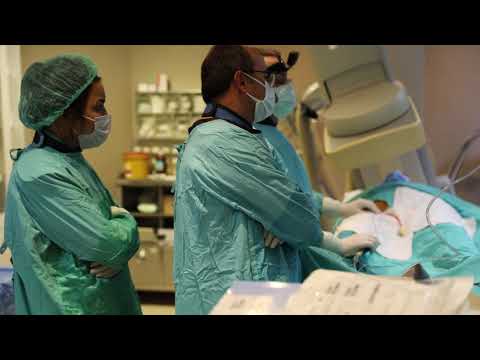
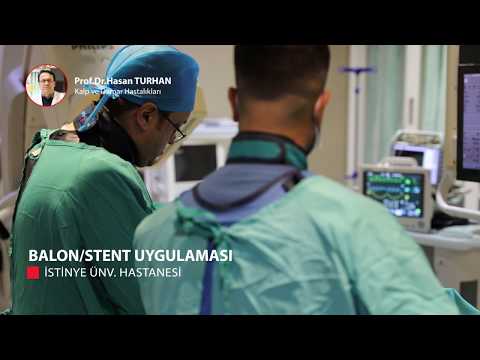







I would like to express my sincere thanks and appreciation to Prof. Dr. Hasan Turhan and the entire medical team who performed my EPS ablation procedure. 🙏🏻
Prof. Dr. Hasan Turhan is one of the leading physicians in his field. He had been closely following my mother’s condition for a long time. When surgery became necessary for her full recovery, the procedure was performed successfully.After the operation, my mother experienced pain, and he stayed by her side from midnight until 4:00 a.m. without leaving even for a moment. I told him personally that even a close relative could not have shown more care.We are deeply grateful for his patience, precision, and the way he explains everything clearly and simply. He answered all our questions in a direct and understandable manner.Our sincere thanks to Prof. Dr. Hasan Turhan, and especially to Ms. Hamide, Ms. Fatma, and all the doctors, nurses, and healthcare staff in the service.
We visited Prof. Dr. Hasan Turhan due to my spouse’s heart rhythm disorder. Although other hospitals recommended ablation, we were afraid and postponed the procedure. We spent weeks in different emergency departments across Istanbul.Meeting Prof. Dr. Hasan Turhan was truly a turning point for us. He is highly experienced, confident, and reassuring in his field. At first, we hesitated again and preferred to try medication. However, we eventually underwent the ablation procedure.After the treatment, we realized we should have done it much earlier. The procedure was very successful, and we returned to our normal life. If you have any heart-related concerns, Prof. Dr. Hasan Turhan is truly an expert in his field.Thank you for everything.
Prof. Dr. Hasan Turhan is a rare physician distinguished by his medical expertise, professional discipline, and strong human values.When I consulted him for my heart rhythm disorder, the knowledge, skill, and mastery he demonstrated during my treatment were truly beyond words.I am sincerely grateful to my esteemed colleague, thanks to whom I have regained my health. Wishing him continued success and good health.Dr. Numan Bakırcı