
Balloon and Stent
Severe narrowing or blockage in the coronary arteries that supply the heart can be treated in two main ways.
- Interventional Treatment
- Stent Placement
- Balloon Angioplasty
- Surgical (Bypass) Treatment
Opening the severely narrowed or blocked segment with structures called stents is the most commonly used and less risky method among these options. The other method is open-heart surgery, known as bypass surgery.
The procedure of placing a stent to open narrowing in the heart vessels is performed in the cardiology department by specialist cardiologists. Stent implantation is an interventional treatment method that eliminates narrowing or blockage in the coronary arteries without open surgery.
What is a stent? How is it placed?
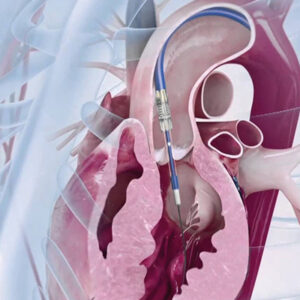
Stents are small mesh-shaped metal tubes. They are usually 2–4 mm in diameter and 10–40 mm in length. The stent, mounted in a compressed form around a deflated balloon, is guided through a vessel in the groin or wrist to the narrowed or blocked coronary artery. Once positioned correctly, the balloon is inflated, allowing the stent to expand and be placed at the desired location. The balloon is then deflated and removed.
How many types of stents are there? Which stents should be preferred?
Three types of stents are used in the treatment of coronary artery narrowing.
- Bare-metal stent
- Drug-eluting stent
- Bioresorbable (dissolving) stent
While both bare-metal and drug-eluting stents have been used for nearly 20 years, today drug-eluting stents are preferred in almost all patients.
Bare-metal stent or drug-eluting stent?
Bare-metal stents were the first to be used in the treatment of coronary artery disease. Over time, due to high rates of re-narrowing and blockage, drug-eluting stents were developed. Within one year, the rate of re-narrowing exceeds 30% with bare-metal stents, whereas this rate is below 5% with new-generation drug-eluting stents. Therefore, long-term patency rates are significantly higher with drug-eluting stents.
Is there a quality difference among drug-eluting stents?
Since their introduction, stents have undergone continuous development. Their main framework has become thinner and more flexible. Improvements have also been made in the polymer structure that carries the drug. Research has clarified the most effective drug groups used in coating. For this reason, not all drug-eluting stents are the same. Differences in the metal framework, polymer coating, and drug type significantly affect clinical outcomes and re-narrowing rates. Therefore, when selecting a drug-eluting stent, it is advisable to prefer new-generation stents supported by strong scientific evidence.
What is a bioresorbable stent? Bioresorbable or drug-eluting stent?
Bioresorbable stents begin to dissolve after implantation and completely disappear within approximately two years without leaving a permanent structure. When first introduced, they attracted significant interest due to their dissolving property. However, today they are rarely used. This is because they did not demonstrate superior outcomes compared to metal stents and may produce less favorable results, especially in smaller vessel diameters.
What Balloon Angioplasty And Stenting Actually Do?
Angioplasty is a procedure that widens a narrowed artery using a small balloon. A catheter is guided through the blood vessels to the site of narrowing, and the balloon is inflated to press plaque against the artery wall and improve blood flow. In many cases, a stent, which is a tiny metal scaffold, is then placed to help keep the artery open after the balloon is deflated and removed.
In coronary artery disease, stents can relieve angina symptoms and improve quality of life, and in heart attack situations timely stenting can be lifesaving. In peripheral artery disease, angioplasty and stenting can reduce leg pain with walking, improve wound healing, and in advanced cases help prevent limb loss. The right procedure depends on the artery involved, the location and length of the blockage, and the patient’s overall health profile.
Why Patients Consider Balloon And Stent Treatment In Turkey
Many people consider balloon and stent treatment in Turkey because they want access to experienced interventional cardiologists, modern catheterization labs, and coordinated care that can be scheduled efficiently. Some patients also travel for a second opinion, especially when told they may need bypass surgery or when symptoms persist despite medication.
International patient coordination can help with logistics such as translation, appointments, and record review. However, good outcomes come from clinical decision-making, not from speed alone. A trustworthy team will confirm whether a stent is truly indicated, discuss alternatives such as optimized medical therapy or surgery, and explain the risks and long-term medication requirements that come with stent placement.
Which Conditions Are Commonly Treated With Balloons And Stents?
The most common use of balloon angioplasty and stenting is in coronary artery disease. Patients may have stable angina, unstable angina, or a heart attack. Stents can also be used in peripheral artery disease affecting the legs, where reduced blood flow causes pain with walking and in severe cases ulcers or gangrene.
In selected cases, carotid artery stenting may be considered to reduce stroke risk, usually depending on anatomy and surgical risk. Renal artery stenting may be used in narrow situations, typically when there is evidence of significant renal artery stenosis with specific clinical features. The decision for any vascular territory should be based on careful imaging and guideline-aligned indications.
How Doctors Decide If You Need A Stent?
A stent is not always the best solution for every narrowing. The decision depends on symptoms, the severity of obstruction, and how much the obstruction affects blood flow. In stable coronary artery disease, optimized medical therapy may control symptoms for many patients. Stenting is more strongly favored when symptoms persist despite appropriate medication or when there is evidence of high-risk anatomy.
In coronary cases, the decision may incorporate functional assessment during angiography to see whether a narrowing significantly reduces blood flow. In peripheral artery disease, the decision considers walking limitation, wound severity, and the specific artery segments involved. A careful conversation should explain why a stent is recommended, what outcomes are expected, and what long-term medication plan will follow.
Diagnosis Before Balloon And Stent Procedures
Evaluation usually begins with a clinical history, physical exam, ECG, and blood tests. In coronary disease, noninvasive tests such as stress testing, echocardiography, or coronary CT angiography may be used to assess risk and guide the need for invasive angiography. If symptoms suggest high risk or if noninvasive tests indicate significant disease, coronary angiography may be recommended.
Angiography is the key test that visualizes arteries directly using contrast dye and X-ray imaging. It shows where the narrowing is, how severe it is, and how many vessels are affected. For peripheral artery disease, duplex ultrasound and CT or MR angiography often help map disease, especially when planning intervention. In many cases, diagnostic angiography and treatment can be performed in the same session if the plan is clear and safe.
What Happens During Coronary Angioplasty And Stenting?
Coronary angioplasty and stenting are performed in a catheterization laboratory. Access is commonly obtained through the radial artery in the wrist or the femoral artery in the groin. A catheter is guided to the coronary arteries, contrast dye is injected, and images confirm the lesion. A guidewire crosses the narrowing, a balloon is inflated, and a stent is deployed to keep the artery open.
After stent deployment, the team confirms that blood flow is restored and that the stent is well expanded. Patients are then monitored for rhythm changes, bleeding at the access site, and chest symptoms. Hospital stay length depends on the context. For a stable elective procedure, discharge can be relatively quick. For heart attack cases or patients with multiple comorbidities, monitoring may be longer and more intensive.
Peripheral Angioplasty And Stenting
Peripheral angioplasty and stenting often target leg arteries such as the iliac, femoral, or below-the-knee vessels depending on disease distribution. The goals can include improving walking distance, reducing claudication, and supporting wound healing in advanced disease. Lesions in leg arteries can be longer, more calcified, and more prone to restenosis, which is a re-narrowing over time.
Because of these differences, device selection and technique vary. Some cases may use drug-coated balloons, specialized atherectomy devices in selected circumstances, or specific stent designs. The best approach depends on anatomy, the severity of symptoms, and the overall plan for risk factor control, especially smoking cessation and diabetes management.
Types Of Stents And What Patients Should Understand
In coronary arteries, drug-eluting stents are widely used because they reduce the risk of re-narrowing in many patients compared with older bare metal stents. Stent choice depends on lesion type, vessel size, and clinical circumstances. In peripheral arteries, different stent designs are used based on flexibility needs, fracture risk, and the specific artery segment.
Patients should understand that a stent is not a cure for atherosclerosis. It treats a specific narrowing, but plaque can still develop elsewhere if risk factors are not controlled. This is why long-term prevention, medication adherence, and lifestyle changes are not optional after stenting. They are part of the core treatment.
Recovery After Balloon And Stent Treatment
Recovery depends on the artery treated and the urgency of the procedure. After coronary stenting, many patients can resume light activity quickly, but heavy lifting and strenuous exercise are usually limited for a short period. Access site care is important, especially if the procedure was done through the groin. Bruising and mild discomfort are common and usually improve gradually.
After peripheral interventions, walking is often encouraged, but the plan depends on wound status and overall circulation. Patients should monitor for worsening pain, new numbness, fever, bleeding, or swelling at the access site. A well-structured discharge plan should include medication instructions, activity guidelines, warning signs, and the next follow-up appointment.
Medications After Stenting
After coronary stent placement, antiplatelet therapy is a cornerstone because it reduces the risk of clots forming inside the stent. Many patients are prescribed dual antiplatelet therapy for a period of time, depending on the reason for stenting and individual risk factors. Stopping these medications without medical guidance can be dangerous.
In addition to antiplatelet therapy, statins are commonly used to lower LDL cholesterol and stabilize plaque. Blood pressure control, diabetes management, and lifestyle changes remain essential. For peripheral artery disease, antiplatelet therapy and lipid management also play a major role, and exercise therapy can improve long-term function.
Risks And Possible Complications To Discuss
Balloon angioplasty and stenting are common procedures, but they still carry risks. Potential complications include bleeding or hematoma at the access site, allergic reaction to contrast dye, kidney strain from contrast in vulnerable patients, artery dissection, and in rare cases stroke or heart attack. In coronary procedures, restenosis or stent thrombosis are concerns that are reduced with proper technique and strict medication adherence.

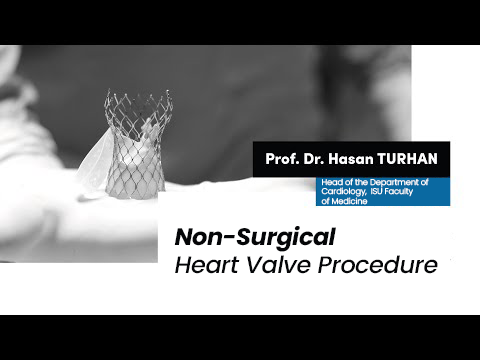



I would like to express my sincere thanks and appreciation to Prof. Dr. Hasan Turhan and the entire medical team who performed my EPS ablation procedure. 🙏🏻
Prof. Dr. Hasan Turhan is one of the leading physicians in his field. He had been closely following my mother’s condition for a long time. When surgery became necessary for her full recovery, the procedure was performed successfully.After the operation, my mother experienced pain, and he stayed by her side from midnight until 4:00 a.m. without leaving even for a moment. I told him personally that even a close relative could not have shown more care.We are deeply grateful for his patience, precision, and the way he explains everything clearly and simply. He answered all our questions in a direct and understandable manner.Our sincere thanks to Prof. Dr. Hasan Turhan, and especially to Ms. Hamide, Ms. Fatma, and all the doctors, nurses, and healthcare staff in the service.
We visited Prof. Dr. Hasan Turhan due to my spouse’s heart rhythm disorder. Although other hospitals recommended ablation, we were afraid and postponed the procedure. We spent weeks in different emergency departments across Istanbul.Meeting Prof. Dr. Hasan Turhan was truly a turning point for us. He is highly experienced, confident, and reassuring in his field. At first, we hesitated again and preferred to try medication. However, we eventually underwent the ablation procedure.After the treatment, we realized we should have done it much earlier. The procedure was very successful, and we returned to our normal life. If you have any heart-related concerns, Prof. Dr. Hasan Turhan is truly an expert in his field.Thank you for everything.
Prof. Dr. Hasan Turhan is a rare physician distinguished by his medical expertise, professional discipline, and strong human values.When I consulted him for my heart rhythm disorder, the knowledge, skill, and mastery he demonstrated during my treatment were truly beyond words.I am sincerely grateful to my esteemed colleague, thanks to whom I have regained my health. Wishing him continued success and good health.Dr. Numan Bakırcı