
What is a coronary artery?
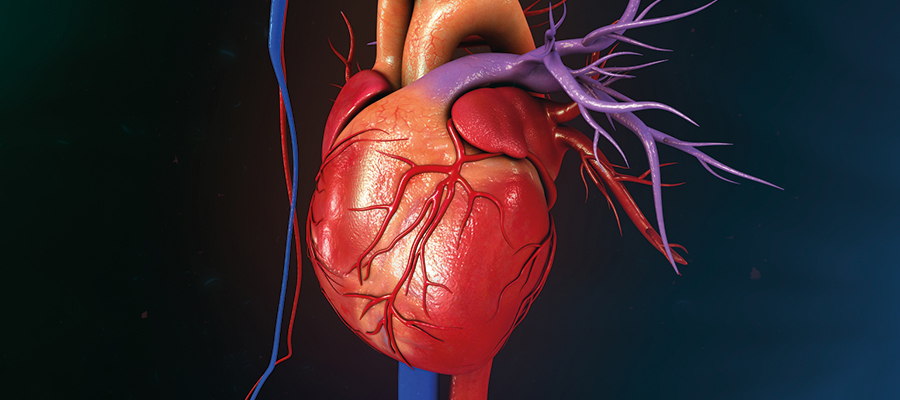
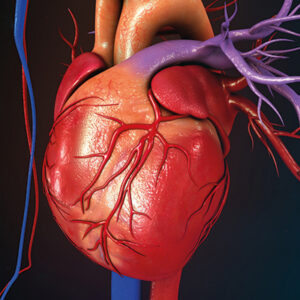
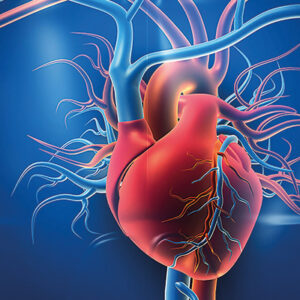
All organs and tissues in the body are nourished by blood delivered through arteries. Arteries carry oxygen-rich blood, while veins return oxygen-poor blood back to the heart. Coronary arteries are the first branches arising from the aorta and run along the surface of the heart. Their function is to supply oxygen and essential nutrients to the heart muscle.
What is coronary artery disease?
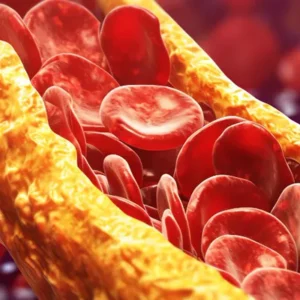
Coronary artery disease occurs when the arteries supplying the heart become narrowed or completely blocked over time. This reduces or stops blood flow to the heart muscle. The main underlying cause is usually atherosclerosis, commonly known as hardening or narrowing of the arteries.
Early diagnosis is crucial. If left untreated, coronary artery disease may progress to heart attack, permanent heart muscle damage, heart failure, or sudden cardiac death.
What is atherosclerosis?
Atherosclerosis is the buildup of fatty deposits, cholesterol, calcium, and inflammatory substances inside the arterial walls. Healthy arteries are elastic and smooth. When the inner lining becomes damaged, plaque forms and gradually narrows the vessel. In some cases, plaque rupture may cause sudden clot formation and complete blockage.
Causes and risk factors of atherosclerosis
Risk factors are divided into non-modifiable and modifiable factors.
Non-modifiable risk factors:
- Age (higher risk after 45 in men and 55 in women)
- Family history of heart disease
- Male gender
Modifiable risk factors:
- Smoking
- Diabetes
- High blood pressure
- High cholesterol
- Stress
- Unhealthy diet
- Sedentary lifestyle
- Obesity
What are the symptoms of coronary artery disease?
The most common symptom is chest pain, known as angina.
Characteristics of chest pain related to coronary artery disease:
- Pain may spread from the center of the chest to the jaw, neck, back, shoulders, arms, or upper abdomen.
- It is typically described as pressure, tightness, or burning sensation.
- It usually occurs with exertion or emotional stress and improves with rest.
- It lasts at least 3 to 5 minutes. Brief, stabbing pains are usually not heart-related.
- Shortness of breath during activity may accompany chest discomfort.
- Nausea, vomiting, sweating, fatigue, or fear may also occur.
How is coronary artery disease diagnosed?
Clinical evaluation is essential. Some routine tests may miss the disease, especially in early stages.
Diagnostic methods include:
- Physical examination
- Electrocardiography (ECG)
- Blood tests
- Exercise stress test
- Myocardial perfusion imaging
- Stress echocardiography
- Coronary CT angiography
- Coronary angiography
- Magnetic Resonance Angiography (MRA)
Why Patients Consider Turkey For Coronary Artery Disease Treatment
Many patients consider treatment in Turkey because of the combination of specialist experience and access to a full range of therapies. Cardiology centers frequently manage high volumes of patients with angina, previous heart attacks, complex multi-vessel disease, and coexisting conditions such as diabetes or kidney disease. In many hospitals, patients can complete testing and consultations in a condensed timeline, which is helpful when travel time is limited.
Another factor is care coordination. International patient departments may support scheduling, medical record review, translation, and hotel or transfer guidance. While these services can make logistics easier, medical decision-making should remain clinician-led and based on a complete evaluation. A reliable center will confirm the diagnosis, explain the options clearly, and recommend the least invasive approach that still achieves safe, durable results.
Common Symptoms And Warning Signs Of Coronary Artery Disease
Chest discomfort is the symptom people recognize most often, but it does not always feel like sharp pain. Many patients describe pressure, tightness, heaviness, or burning in the chest. The sensation may spread to the left arm, shoulder, jaw, neck, or back. Symptoms often occur during exertion and improve with rest, a pattern that can suggest stable angina.
Shortness of breath, unusual fatigue, nausea, sweating, and lightheadedness can also appear, sometimes without classic chest pressure. Some people, especially those with diabetes, may experience silent ischemia, meaning reduced blood flow with minimal symptoms. If you have sudden chest pain at rest, severe shortness of breath, or symptoms that rapidly worsen, seek emergency care. Prompt treatment can prevent permanent heart muscle damage.
Medical Treatment Options For Coronary Artery Disease
Many CAD patients benefit strongly from medical therapy, whether or not they undergo a procedure. Medication plans are individualized, but commonly include antiplatelet agents to reduce clot risk, statins to lower LDL cholesterol and stabilize plaque, beta blockers to reduce heart workload, and ACE inhibitors or ARBs when indicated for blood pressure and heart protection.
For symptom control, nitrates, calcium channel blockers, or other anti-anginal medications may be added. If diabetes is present, certain glucose-lowering drugs can also support cardiovascular risk reduction. The success of medical management depends on adherence and follow-up. Patients traveling to Turkey should leave with a clear medication schedule, a monitoring plan, and guidance for coordinating care with a cardiologist at home.
Coronary Angiography In Turkey
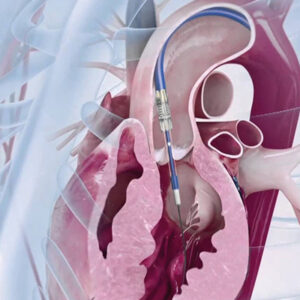
Coronary angiography is a catheter-based test that allows doctors to see blockages in the coronary arteries. A thin catheter is guided through an artery, often in the wrist or groin, toward the heart. Contrast dye is injected, and X-ray images show the flow through the coronary vessels. The test can identify the location and severity of narrowings and help determine whether medical therapy alone is reasonable or whether revascularization is needed.
In many cases, angiography and treatment can occur in the same session if the team decides that stenting is appropriate and safe. Patients should ask about the planned approach, whether the procedure is diagnostic only or may include intervention, and what factors would change the plan on the day of the procedure.
Stent Placement And Angioplasty In Turkey
Percutaneous coronary intervention, commonly called angioplasty and stenting, is a minimally invasive treatment that widens a narrowed coronary artery. A balloon is inflated at the blockage site, and a stent is placed to keep the artery open. Drug-eluting stents are commonly used because they help reduce the risk of re-narrowing in many patients.
Stenting can relieve angina symptoms and improve quality of life quickly. In heart attack settings, timely stenting can save heart muscle and improve survival. The decision to place stents depends on the number of blockages, their location, vessel size, plaque characteristics, and overall heart function. After stent placement, patients usually need dual antiplatelet therapy for a period of time, so careful planning around surgery, dental work, and bleeding risk is important.
When Bypass Surgery Is Recommended?
Coronary artery bypass grafting, often called CABG, may be recommended for complex multi-vessel disease, significant left main coronary artery disease, or situations where stenting would not provide a durable result. CABG uses graft vessels, often from the chest wall or leg, to bypass blocked segments and restore blood flow to the heart muscle.
In Turkey, many cardiac surgery departments perform CABG routinely, including off-pump approaches in selected cases. Surgery is a major intervention, so preoperative evaluation is thorough. Doctors consider age, kidney function, diabetes control, lung health, and overall surgical risk. Rehabilitation and structured recovery planning are essential, especially for international patients who need a safe timeline for return travel.
Choosing Between Medical Therapy, Stenting, And Surgery
Choosing the right CAD treatment is not only about opening arteries. It is about matching the therapy to risk, anatomy, and expected long-term benefit. Some patients with stable symptoms and moderate disease do well with optimized medical therapy and lifestyle changes. Others need revascularization because symptoms persist or because the risk of a major event is high.
A heart team approach can be valuable in complex cases. This typically involves interventional cardiologists and cardiac surgeons reviewing angiography results and discussing options with the patient. A good conversation includes benefits, risks, recovery time, medication requirements, and how each choice affects long-term outcomes. Patients should feel comfortable asking why a specific approach is recommended for them.
Recovery And Follow-Up After CAD Treatment
Recovery differs depending on the treatment. After angiography or stenting, many patients resume light activities within days, though restrictions on heavy lifting and driving may apply briefly. After bypass surgery, recovery takes longer and includes wound care, gradual activity progression, and rehabilitation support. Regardless of the path, follow-up matters because medication adjustments and risk factor monitoring reduce recurrence.
International patients should prioritize documentation. Discharge summaries, angiography reports, stent details, operative notes, medication plans, and follow-up testing recommendations should be provided in English when possible. A clear handoff to a local cardiologist at home helps maintain continuity of care and improves long-term safety.
How To Choose A Hospital For Coronary Artery Disease In Turkey?
Choosing a hospital should focus on capability and safety. Look for centers with 24 hour catheterization lab access, experienced interventional cardiologists, strong cardiac surgery backup, and modern intensive care services. Ask about the hospital’s approach to infection control, anticoagulation management, and post-procedure monitoring. These details matter in real-world outcomes.
It also helps to choose a team that communicates clearly. The best providers explain your diagnosis, show you results, and outline a plan with options rather than a single sales pitch. For international patients, ensure that you can receive records in English and that follow-up coordination is available after you return home.
Preparing For Your Trip
Preparation can save time and reduce repeated testing. Collect recent ECGs, echocardiogram reports, stress test results, blood test data, medication lists, allergy information, and summaries of previous cardiac events. If you have chronic conditions like diabetes or kidney disease, include recent lab values and specialist notes. This helps the Turkish team make faster, safer decisions.
Discuss fitness to fly with a clinician, especially if you recently had chest pain, a heart attack, or worsening heart failure symptoms. Some patients may need stabilization before travel. Planning extra days in Turkey for observation and follow-up can also reduce stress, especially if a procedure is performed.
Questions To Ask Before Starting Treatment
Good questions improve decision quality. Ask what the confirmed diagnosis is and how severe your blockages are. Ask whether your symptoms match the findings and what treatment options exist for your specific anatomy. Ask about benefits and risks, expected recovery time, and medication requirements after treatment. If stents are recommended, ask how many and what type, and what antiplatelet plan is expected.
If surgery is discussed, ask why bypass is preferred over stenting and how the team assesses surgical risk. Also ask how follow-up will be managed once you return home. Clear answers are a sign of a high-quality clinical process.

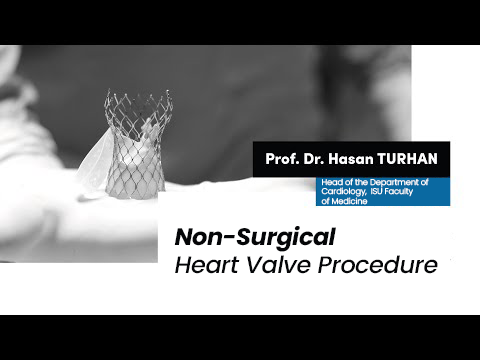
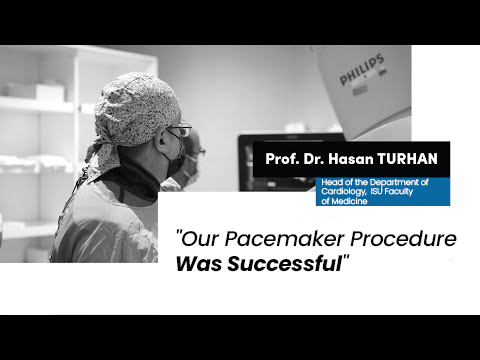
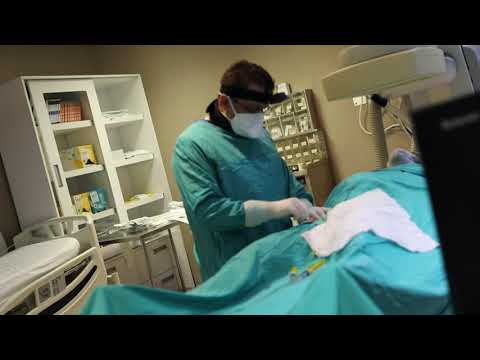
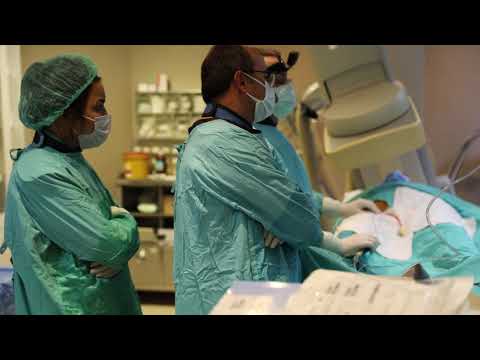
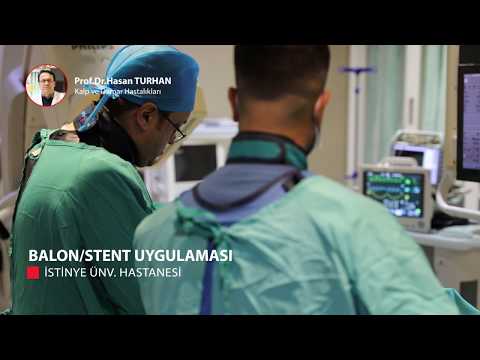
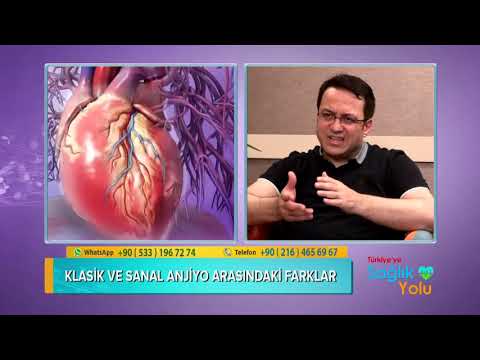
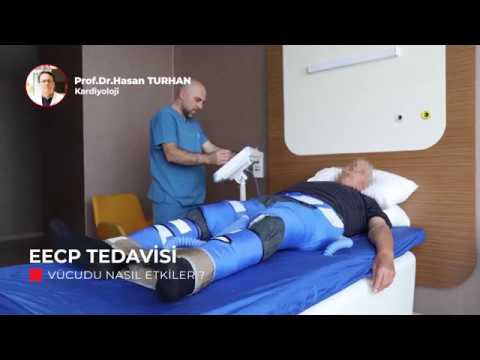





I would like to express my sincere thanks and appreciation to Prof. Dr. Hasan Turhan and the entire medical team who performed my EPS ablation procedure. 🙏🏻
Prof. Dr. Hasan Turhan is one of the leading physicians in his field. He had been closely following my mother’s condition for a long time. When surgery became necessary for her full recovery, the procedure was performed successfully.After the operation, my mother experienced pain, and he stayed by her side from midnight until 4:00 a.m. without leaving even for a moment. I told him personally that even a close relative could not have shown more care.We are deeply grateful for his patience, precision, and the way he explains everything clearly and simply. He answered all our questions in a direct and understandable manner.Our sincere thanks to Prof. Dr. Hasan Turhan, and especially to Ms. Hamide, Ms. Fatma, and all the doctors, nurses, and healthcare staff in the service.
We visited Prof. Dr. Hasan Turhan due to my spouse’s heart rhythm disorder. Although other hospitals recommended ablation, we were afraid and postponed the procedure. We spent weeks in different emergency departments across Istanbul.Meeting Prof. Dr. Hasan Turhan was truly a turning point for us. He is highly experienced, confident, and reassuring in his field. At first, we hesitated again and preferred to try medication. However, we eventually underwent the ablation procedure.After the treatment, we realized we should have done it much earlier. The procedure was very successful, and we returned to our normal life. If you have any heart-related concerns, Prof. Dr. Hasan Turhan is truly an expert in his field.Thank you for everything.
Prof. Dr. Hasan Turhan is a rare physician distinguished by his medical expertise, professional discipline, and strong human values.When I consulted him for my heart rhythm disorder, the knowledge, skill, and mastery he demonstrated during my treatment were truly beyond words.I am sincerely grateful to my esteemed colleague, thanks to whom I have regained my health. Wishing him continued success and good health.Dr. Numan Bakırcı