
Treatment of cardiovascular diseases in Turkey has become a major focus for international patients who want high-quality care, experienced specialists, and a smoother medical travel experience. Turkey combines modern hospitals, advanced cardiac technology, and multidisciplinary teams that routinely manage complex heart and vascular conditions. From preventive cardiology and medication optimization to minimally invasive procedures and open-heart surgery, many patients find that Turkey offers a practical path to diagnosis, treatment, and follow-up in one coordinated plan.
Cardiovascular diseases include a wide range of conditions affecting the heart and blood vessels, such as coronary artery disease, heart valve disorders, arrhythmias, heart failure, cardiomyopathy, and peripheral arterial disease. Because these conditions can be progressive, early evaluation and structured treatment matter. In Turkey, comprehensive cardiac centers often bring cardiologists, cardiovascular surgeons, interventional cardiologists, electrophysiologists, imaging specialists, and rehabilitation experts together, which helps patients move faster from symptoms to a clear strategy.
How are cardiovascular diseases (coronary artery disease) treated?
There are three main treatment options: medication therapy, balloon and stent procedures, and surgical bypass. The most appropriate method is determined by evaluating several factors. These include the patient’s age, accompanying medical conditions, severity and extent of coronary artery disease, presence of heart failure, valve disease, or aortic disorders.
Which patients are suitable for medical therapy?
Medication is an essential part of treatment. Some patients are managed with medication alone, while others continue medical therapy after stent placement or bypass surgery. The goal is to relieve symptoms, prevent progression, reduce recurrence risk, and manage related conditions such as arrhythmia or heart failure.
How long should medication be used?
Certain medications that prevent progression or recurrence are usually continued lifelong. Symptom-relieving drugs may be discontinued if symptoms resolve after intervention. Even after stent placement or surgery, some heart medications must be maintained permanently.
Balloon and stent treatment:
Balloon angioplasty and stent placement are highly effective and low-risk options for significant coronary narrowing or blockage. The procedure is performed under local anesthesia through the wrist or groin artery. Over the past 20 years, advances in stent technology and technique have allowed approximately 90% of patients to be treated successfully without surgery.
Balloon and stent or bypass surgery?
Treatment choice depends on which method offers greater long-term benefit. While most blockages can technically be treated with stents, surgery may be preferred in cases of widespread disease or left main coronary artery involvement. Surgical risk must also be considered. In high surgical risk patients, stent treatment may be safer.
Is stent treatment temporary?
Modern stent therapy is not temporary. Technological advancements have significantly reduced re-narrowing rates. Today, balloon and stent treatment provides long-term effectiveness comparable to surgery.
Can a treated artery become blocked again?
Coronary artery disease is chronic. Re-narrowing may occur inside a stent or in another untreated segment. Similarly, bypass grafts may also develop narrowing over time.
Why Patients Choose Turkey For Cardiac Care?
Many people consider cardiovascular treatment in Turkey because it offers a combination of expertise, access to advanced procedures, and integrated patient services. Large cities such as Istanbul, Ankara, Izmir, and Antalya host private hospitals and medical centers that provide modern intensive care units, catheterization laboratories, and cardiac surgery departments. International patient offices may assist with scheduling, medical records, translation, accommodation guidance, and airport transfers, which can reduce stress for patients traveling from abroad.
Another reason is the broad availability of minimally invasive and catheter-based interventions, which can shorten hospital stays for suitable candidates. Turkey is also known for serving a high volume of patients, which can support clinical experience in common procedures like coronary angiography, stenting, pacemaker implantation, and valve replacement. What matters most is choosing a hospital and specialist team that matches your diagnosis, risk profile, and clinical needs.
Common Cardiovascular Conditions Treated In Turkey
Cardiovascular disease is not a single diagnosis. Patients travel for different reasons, ranging from a second opinion to advanced interventions. In Turkey, many centers regularly treat coronary artery disease, including angina and previous heart attack complications. They also manage heart valve disease, such as aortic stenosis and mitral regurgitation, which may require repair or replacement depending on severity and symptoms.
Arrhythmias are another frequent reason for referral. Patients with atrial fibrillation, supraventricular tachycardia, or ventricular rhythm disorders may need medication adjustment, ablation, or device therapy. Heart failure programs may focus on optimization of medical therapy, evaluation of underlying causes, and long-term monitoring. Vascular conditions, including carotid artery disease and peripheral arterial disease, are also addressed through medical therapy, endovascular techniques, or surgery.
How Diagnosis And Evaluation Usually Work?
Accurate diagnosis is the foundation of effective cardiovascular treatment. In Turkey, evaluation typically starts with a detailed medical history, symptom review, family history, and assessment of risk factors such as hypertension, diabetes, high cholesterol, smoking, obesity, and sedentary lifestyle. A physical exam is followed by targeted testing based on the suspected condition.
Noninvasive tests often include ECG, echocardiography, stress testing, ambulatory rhythm monitoring, and blood work. Advanced imaging may include cardiac CT, coronary CT angiography, cardiac MRI, and nuclear imaging when appropriate. For suspected coronary artery disease or complex valve problems, invasive tests like coronary angiography may be recommended to directly visualize arteries and guide treatment decisions.
Interventional Cardiology Procedures In Turkey
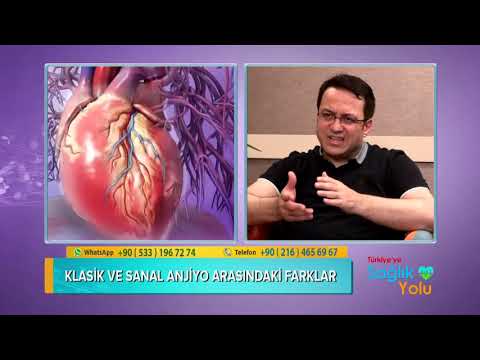
Interventional cardiology focuses on catheter-based procedures performed through small access points, often in the wrist or groin. One of the most common is coronary angiography, which evaluates blockages in the coronary arteries. If a significant blockage is found, percutaneous coronary intervention, commonly called angioplasty with stent placement, may restore blood flow and reduce symptoms.
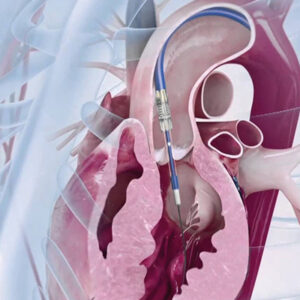
Turkey also offers treatment for structural heart disease using minimally invasive approaches for suitable patients. Depending on clinical indications and center capability, treatment may include transcatheter interventions for certain valve conditions or closure procedures for specific congenital defects. Interventional options can reduce recovery time compared with open surgery, but candidacy depends on anatomy, comorbidities, and disease severity. A multidisciplinary heart team assessment is crucial before deciding on the best approach.
Choosing A Hospital And Cardiologist In Turkey
Choosing the right provider is one of the most important decisions in medical travel. Start by selecting a hospital with strong cardiovascular departments, modern diagnostic and interventional facilities, and an experienced multidisciplinary team. Ask whether the center routinely treats your specific condition and how the heart team approach works for complex cases.
It is also reasonable to request information about surgeon and cardiologist experience, typical care pathways, and the structure of pre-op and post-op follow-up. International patients should confirm language support, access to medical records in English, and clear pathways for remote follow-up. The goal is not only successful treatment in Turkey, but also a smooth transition back home with a plan that your local clinicians can support.
Preparing For Treatment As An International Patient
Preparation improves both safety and efficiency. Before traveling, collect key medical records such as previous ECGs, echocardiograms, angiography reports, lab results, medication lists, allergy details, and summaries of prior hospitalizations. If you have stents, devices, or previous surgery, provide as much documentation as possible. These details help the Turkish team avoid duplicated testing and make faster, safer decisions.
It is also wise to discuss travel timing and fitness to fly with your clinician, especially if you recently had chest pain, a heart attack, or worsening heart failure symptoms. Some patients may need stabilization first. Planning for a companion, accessible accommodation, and a realistic recovery window in Turkey can make the process more comfortable.

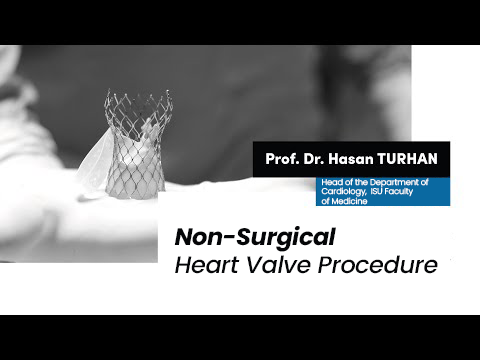
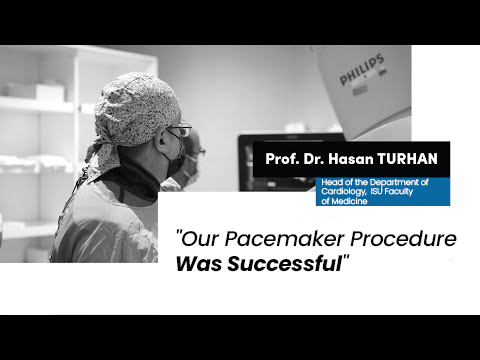
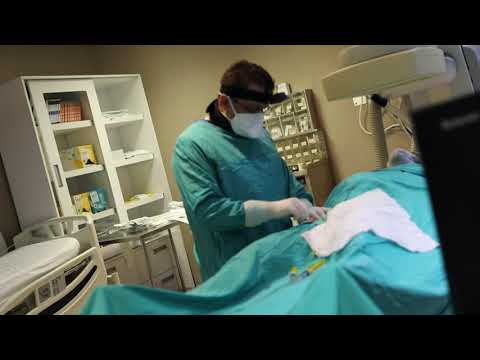
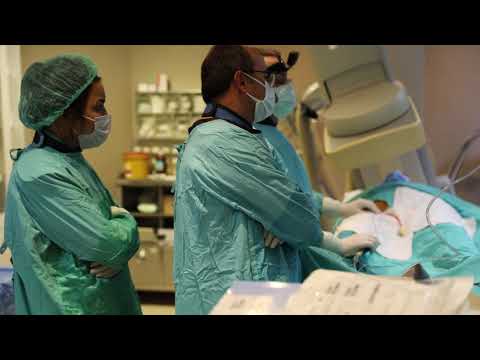
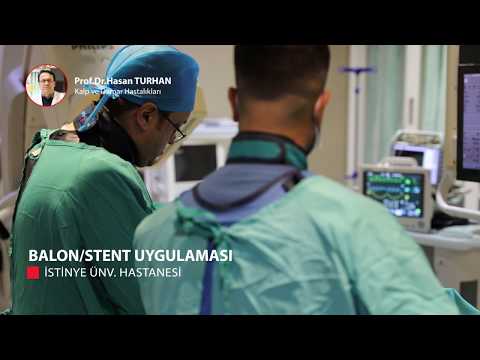



I would like to express my sincere thanks and appreciation to Prof. Dr. Hasan Turhan and the entire medical team who performed my EPS ablation procedure. 🙏🏻
Prof. Dr. Hasan Turhan is one of the leading physicians in his field. He had been closely following my mother’s condition for a long time. When surgery became necessary for her full recovery, the procedure was performed successfully.After the operation, my mother experienced pain, and he stayed by her side from midnight until 4:00 a.m. without leaving even for a moment. I told him personally that even a close relative could not have shown more care.We are deeply grateful for his patience, precision, and the way he explains everything clearly and simply. He answered all our questions in a direct and understandable manner.Our sincere thanks to Prof. Dr. Hasan Turhan, and especially to Ms. Hamide, Ms. Fatma, and all the doctors, nurses, and healthcare staff in the service.
We visited Prof. Dr. Hasan Turhan due to my spouse’s heart rhythm disorder. Although other hospitals recommended ablation, we were afraid and postponed the procedure. We spent weeks in different emergency departments across Istanbul.Meeting Prof. Dr. Hasan Turhan was truly a turning point for us. He is highly experienced, confident, and reassuring in his field. At first, we hesitated again and preferred to try medication. However, we eventually underwent the ablation procedure.After the treatment, we realized we should have done it much earlier. The procedure was very successful, and we returned to our normal life. If you have any heart-related concerns, Prof. Dr. Hasan Turhan is truly an expert in his field.Thank you for everything.
Prof. Dr. Hasan Turhan is a rare physician distinguished by his medical expertise, professional discipline, and strong human values.When I consulted him for my heart rhythm disorder, the knowledge, skill, and mastery he demonstrated during my treatment were truly beyond words.I am sincerely grateful to my esteemed colleague, thanks to whom I have regained my health. Wishing him continued success and good health.Dr. Numan Bakırcı